Local Remodeling Specialists Managing Projects from Planning to Completion
Enhance Your Home With a Leading Remodeling Company: Uncover the Newest Trends in Property Transformation
The home renovation industry is transforming. Through prioritizing open concepts and sustainability, modern remodeling companies are setting new standards. They provide cutting-edge design solutions that merge functionality with style. Residents are continuously pursuing multi-functional spaces and smart technology integration. This transformation simultaneously elevates everyday living while increasing property values. Current innovations are set to transform daily living. What specific changes are making the biggest impact?
Adopting Open Concept Living
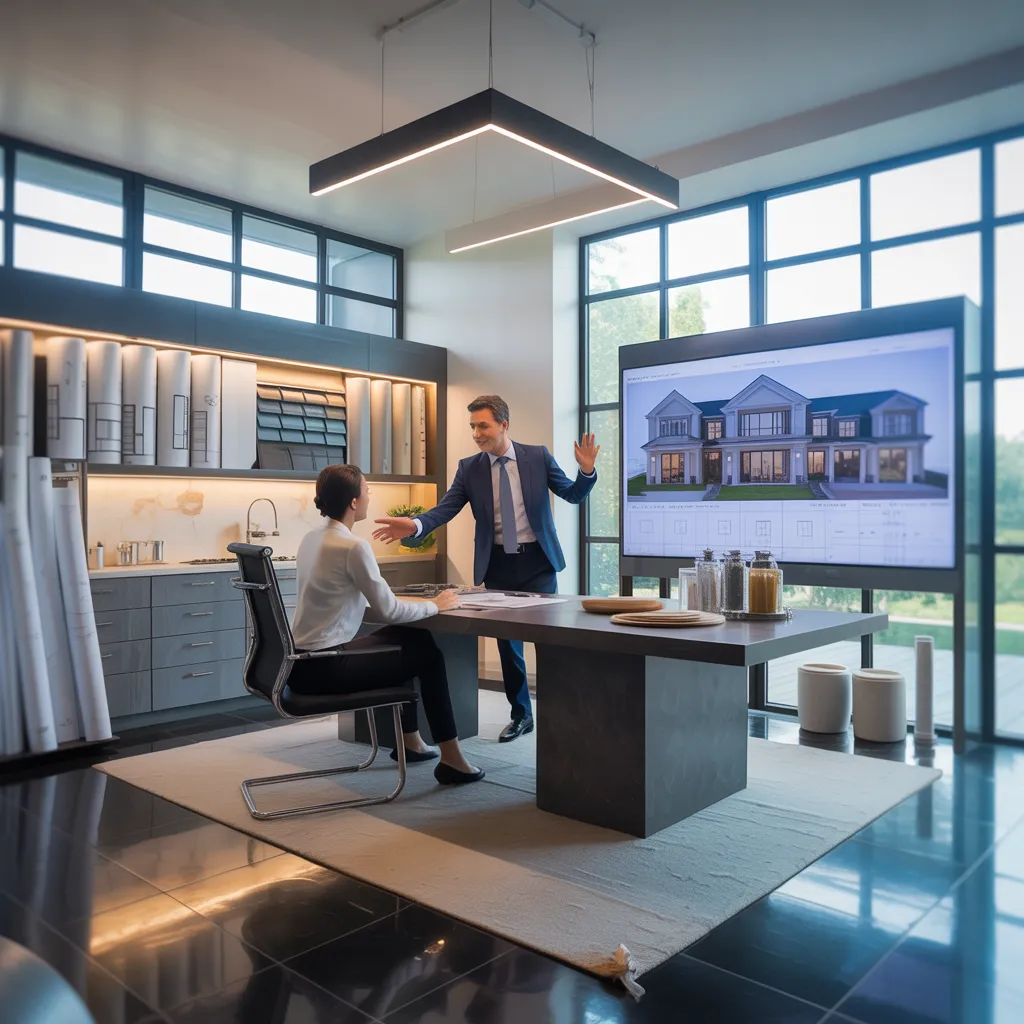
As house owners continually strive to enhance space and nurture a sense of togetherness, implementing open concept living has become a leading movement in home renovation. This design approach breaks down barriers between common areas, facilitating fluid transitions between the kitchen, dining, and living spaces. The result is a more inviting atmosphere that fosters interaction among family members and guests.
Open floor plans help improve natural light distribution, causing interior spaces to appear brighter and more expansive. Furthermore, this style regularly enables flexible furniture configurations, allowing homeowners to adapt their surroundings to suit their lifestyle.
Although visual appeal plays an important part, practical considerations also drive the widespread adoption of open concept living. It often simplifies movement throughout the home, making daily activities more streamlined. As this trend continues to gain traction, homeowners are finding innovative ways to balance openness with designated areas, guaranteeing functionality and style unite gracefully.
Green Materials and Eco-Conscious Designs
The increasing focus on open concept living has led to an heightened focus on green materials and environmentally friendly designs in home renovations. Homeowners are now emphasizing sustainable alternatives that minimize their carbon footprint while boosting aesthetic appeal. This shift incorporates the use of salvaged wood, bamboo floor coverings, and reclaimed metal fittings, which not only reduce waste but also present distinctive visual characteristics.
Additionally, energy-efficient appliances and low-VOC paints promote healthier indoor air quality, corresponding to a growing appetite for sustainability. Natural light is also maximized through larger windows and skylights, minimizing reliance on artificial lighting. Landscaping is being reconceived with native plants that require less water, further encouraging eco-friendliness.
As trends evolve, the integration of sustainable design elements and materials signifies a commitment to both unique style and eco-consciousness, making homes not just attractive, but also responsible and forward-thinking.
Smart Home Technology Integration
As homeowners seek greater convenience and efficiency, smart home technology integration is growing in popularity. Smart lighting and voice-activated control systems offer improved energy efficiency and effortless control. This trend represents a broader shift towards creating smart living environments that accommodate modern lifestyles.
Automated Lighting Solutions
How can homeowners improve their living spaces while simultaneously increasing efficiency? One successful approach is through automated lighting solutions, which integrate seamlessly into smart home technology. These systems enable homeowners to control lighting remotely via smartphones or tablets, creating tailored settings to match their needs. For instance, automated timers can adjust lighting based on occupancy or time of day, providing energy conservation and improved security. Additionally, smart sensors can detect natural light levels, modifying artificial lighting accordingly. This not only boosts comfort but also reduces electricity costs. As homeowners strive to modernize their spaces, incorporating automated lighting solutions stands out as a sensible and stylish choice in contemporary home renovation trends.
Smart Voice Home Systems
Integrating voice-controlled home systems further enhances the convenience and efficiency of smart home technology. These systems enable homeowners to oversee various functions, including lighting, temperature, and security, using simple voice commands. This hands-free approach promotes accessibility, making it ideal for individuals with mobility challenges. Moreover, voice-controlled systems can integrate with other smart devices, creating a cohesive home automation experience. As technology advances, features such as AI-driven personal assistants allow for personalized interactions, learning user preferences over time. This trend not only simplifies daily routines but also optimizes energy efficiency, as users can adjust settings on demand. Ultimately, voice-controlled home systems represent a significant step forward in creating intuitive, user-friendly environments that adapt to modern lifestyles.
Premium Bathrooms: Relaxing Retreats
Luxurious bathrooms are continually styled as spa-like retreats, emphasizing peace and comfort. Homeowners are opting for sophisticated fixtures and finishes, calming color schemes, and innovative spa features to build an attractive atmosphere. This trend reflects a desire for personal havens that integrate functionality with premium aesthetics.
Elegant Elements and Completions
The appeal of elegant fixtures and finishes transforms a bathroom into a serene spa-like retreat. Luxury materials, such as polished marble and rich wood, create an inviting atmosphere that elevates the space. Fixtures like freestanding soaking tubs and rainfall showerheads not only boost functionality but also serve as focal points, exuding sophistication. Artisan-crafted vanities with intricate details provide both beauty and practicality, while chrome or matte black faucets add a contemporary touch. Lighting plays a significant role, with statement chandeliers or wall sconces casting a warm glow that complements the overall design. Adding these luxurious elements fosters a tranquil environment, making everyday routines feel indulgent and restorative, ultimately redefining the bathroom as a personal sanctuary.
Tranquil Color Palettes
When selecting the right color palette can significantly influence the ambiance of a bathroom, tranquil shades play an crucial role in creating a spa-like retreat. Soft shades of blue, green, and gray evoke a sense of relaxation and tranquility, making them popular choices for luxurious bathrooms. These colors can be matched with natural materials like wood and stone to enhance the calming effect. Additionally, muted tones can discover now create a cohesive look when integrated with elegant fixtures and finishes, fostering a serene atmosphere. Adding white accents can further boost the sense of cleanliness and openness. Ultimately, a carefully chosen soothing color palette transforms a bathroom into a peaceful sanctuary, well-suited for unwinding after a long day.
State-of-the-Art Spa Elements
How do innovative spa features turn a bathroom into a serene retreat? By incorporating elements such as rainfall showerheads, freestanding soaking tubs, and steam showers, homeowners can create an inviting atmosphere similar to high-end wellness spas. Advanced technology, including mood lighting and smart temperature controls, improves relaxation, while features like heated floors provide comfort during colder months. Including natural materials, such as stone and wood, fosters a tranquil ambiance. Additionally, the inclusion of aromatherapy diffusers and sound systems can engage the senses, further enriching the experience. With these innovative spa features, a bathroom transforms into a personal sanctuary, allowing individuals to de-stress and rejuvenate despite the stresses of daily life, making it a desirable trend in modern home renovations.
Modern Kitchen Solutions: Function Meets Style
Many homeowners are welcoming kitchen innovations that seamlessly combine functionality with aesthetic appeal. Today's designs highlight open layouts, enabling effortless flow between cooking and socializing. Top-tier materials, such as quartz countertops and stainless steel appliances, increase durability while adding a sleek touch.
Modern technology has equally made notable strides, incorporating equipment that brings convenience and efficiency, including smart ovens and touchless faucets. These developments not only facilitate daily tasks but also result in energy savings.
Sustainable practices are gaining traction, with environmentally conscious materials and power-saving appliances turning into must-have elements. Tailored cabinet designs, incorporating creative storage options, optimize space while preserving an elegant appearance.
Property owners progressively select statement lighting and bold backsplashes, forming focal points that raise the overall design. In this evolving landscape, the kitchen emerges as a harmonious blend of aesthetics and utility, expressing individual tastes while fitting contemporary lifestyles.
Innovative Space Utilization: Flexible Living Spaces
As property owners look to optimize their residential areas, the trend of multi-functional rooms has grown in prevalence. This innovative approach allows for the seamless integration of multiple functions within a single area, improving both utility and aesthetic appeal. Designers are more and more incorporating versatile furniture, such as foldable tables, murphy beds, and modular seating, which can be easily reconfigured to suit different needs.
Furthermore, clever storage solutions, including built-in shelves and hidden compartments, aid in maintaining a clutter-free environment. Home offices, previously confined to separate rooms, now often merge with living areas, fostering efficiency without sacrificing comfort.
In addition, the use of dividers, such as sliding panels or bookcases, can effectively distinguish spaces while retaining an open feel. This trend not only improves square footage but also fosters a more adaptable lifestyle, making homes more versatile and reflective of varied living needs.
Exterior Living: Expanding Your Residence's Footprint
The trend of maximizing living spaces extends beyond the interior of homes, with outdoor living areas becoming increasingly popular. Homeowners are recognizing the value of creating functional, aesthetically pleasing spaces outside, transforming backyards into extensions of their homes. Features like outdoor kitchens, fire pits, and comfortable seating zones are in high demand, allowing families to enjoy nature while entertaining guests.
In addition, the integration of landscaping elements, such as gardens and water features, enhances the total ambiance. These outdoor spaces not only supply relaxation but also add to the property's value.
Contemporary design trends highlight seamless connections between indoor and outdoor spaces, often utilizing large sliding doors and open layouts. As a result, homeowners can enjoy a versatile environment that adapts to different activities, from casual gatherings to formal events. This shift toward outdoor living reflects a broader desire for connectivity with nature and an enhanced lifestyle.
Frequently Asked Questions
How Do I Choose the Right Remodeling Company for My Project?
To pick the right remodeling company, one should research certifications, review reviews, evaluate quotes, and interview potential candidates. It's essential to guarantee clear communication and a shared vision for the project's expected results.
What's the Typical Price of a Home Renovation?
The average cost of a home renovation typically ranges from $15,000 to $75,000, according to the project's scope and intricacy. Variables impacting pricing consist of materials, labor, and the particular spaces undergoing renovation.
What's the Duration of a Standard Remodeling Project?
A conventional remodeling project typically takes anywhere from a few weeks to several months, based on factors including the project's magnitude, complexity, and the availability of materials and qualified labor required to complete the renovations.
Are Permits Necessary for All Renovation Types?
Permits are usually necessary for significant renovations, such as structural modifications, electrical modifications, or plumbing upgrades. However, smaller cosmetic changes may not need permits. Local regulations vary, so contacting local authorities is recommended.
What Are the Best Ways to Finance My Home Renovation?
Financing options for home renovations include personal loans, home equity lines of credit, cash-out refinancing, and government programs. Every alternative has specific benefits, and thoughtful evaluation is necessary to choose the best fit for individual needs.